

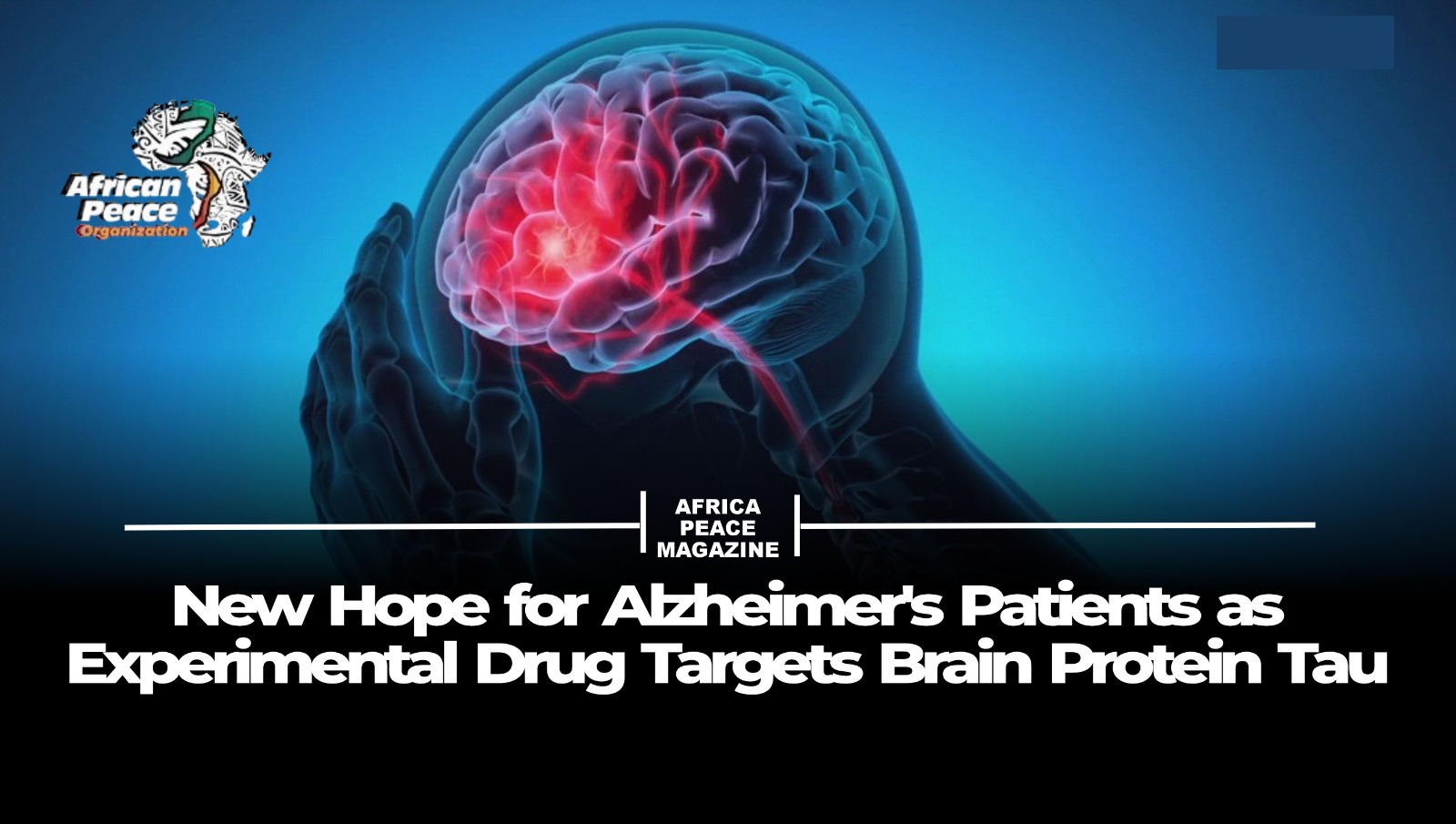
An experimental drug that lowers levels of a brain protein called tau could offer a new way to slow early-stage Alzheimer’s disease, according to a study presented this week.
Unlike most current treatments, which focus on reducing beta-amyloid, the new approach zeroes in on tau, a protein known to form toxic clumps that damage brain tissue as Alzheimer’s progresses.
In a clinical trial, patients who received the experimental drug showed lower tau levels and slower cognitive decline compared with those given a placebo. Researchers say the results are encouraging, though larger and longer studies will be needed to confirm the drug’s safety and effectiveness.
Alzheimer’s remains the leading cause of dementia worldwide, affecting millions of people, and currently has no cure. Scientists say tau-targeting therapies could eventually complement or improve on existing treatment options.
Source: medicalxpress.com