

Egyptian archaeologists have announced two major discoveries — a well-preserved Byzantine-era city in the western desert and a cluster of ancient tombs near Alexandria — in finds officials hope will boost the country’s vital tourism industry.
At the Dakhla Oasis, researchers uncovered a fourth-century residential settlement offering a rare window into daily life under Byzantine rule, complete with intersecting streets, public squares, a mid-fourth-century basilica church and watchtowers built to protect the town’s edges. Hisham el-Leithy of the Supreme Council of Antiquities said the layout reveals sophisticated urban planning, while mission chief Mahmoud Massoud described heavily fortified structures and homes featuring reception halls and vaulted roofs.
Among the buildings identified was the house of a church deacon named Tisous, believed to have functioned as a place of worship before the town’s basilica was built. Archaeologists also found bread ovens, kitchens, grinding tools, bronze coins bearing Byzantine emperors’ portraits, and gold coins from the reign of Roman emperor Constantius II, who ruled between 337 and 361. Diaa Zahran of the Islamic, Coptic and Jewish Antiquities department said the team also recovered around 200 inscribed pottery fragments recording commercial transactions and personal correspondence from the period.
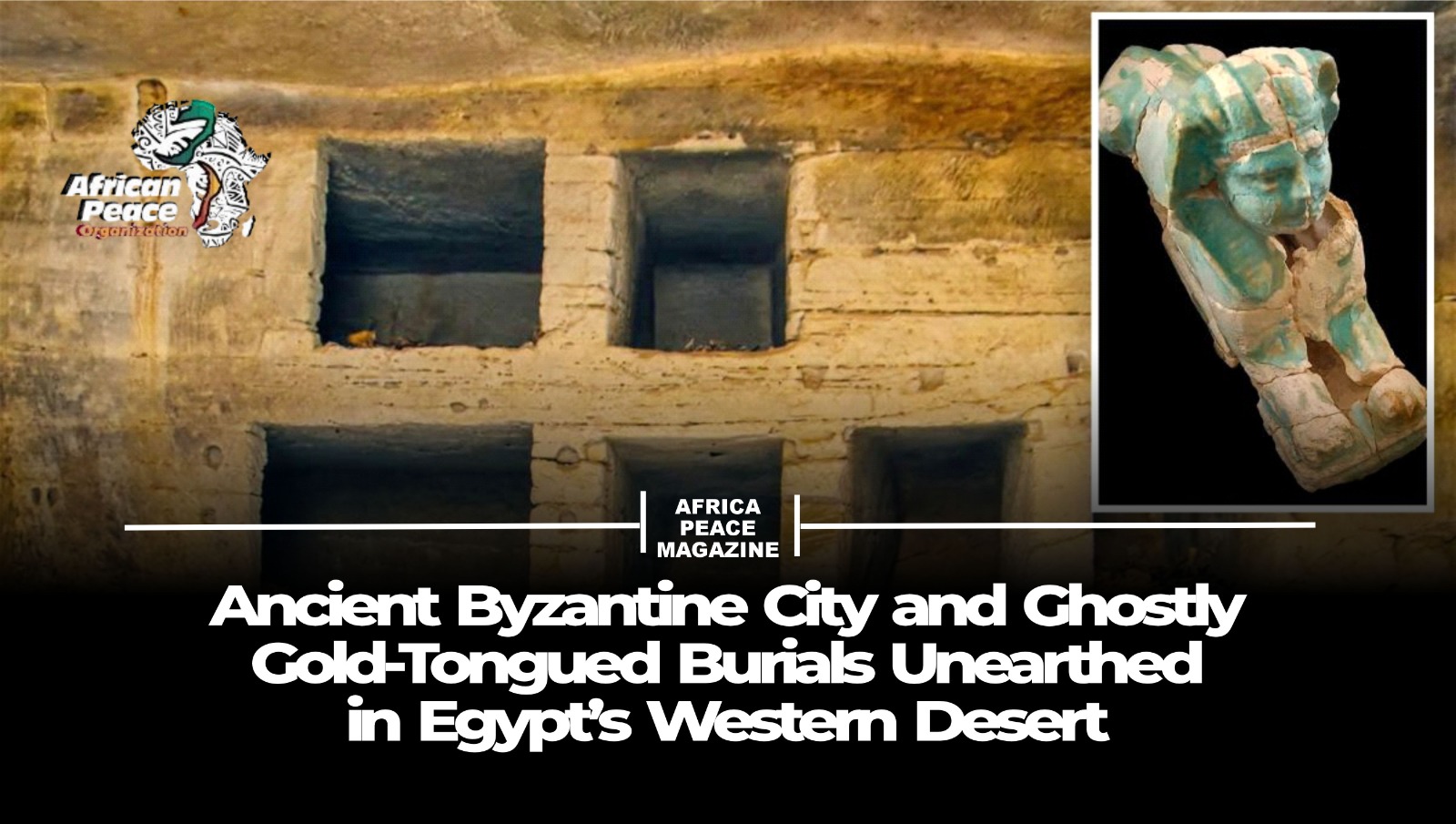
Separately, at the Marina el-Alamein site roughly 100 kilometres west of Alexandria, archaeologists uncovered 18 additional tombs — 11 rock-cut and seven built from limestone — bringing the total found at the site to 48. Mission chief Eman Abdel-Khaliq said the team also discovered a 2.5-metre granite sarcophagus containing skeletal remains now under study, alongside a plaster sphinx statue. Some of the deceased were found with small gold pieces placed in their mouths, a funerary practice known as the “golden tongue” that was believed to guide souls in the afterlife.
Egypt’s tourism and antiquities ministry said the finds add to a growing list of discoveries the government hopes will draw more visitors to a sector that, alongside the Suez Canal, remains a critical source of foreign currency for the cash-strapped economy.
Source: edition.cnn.com