

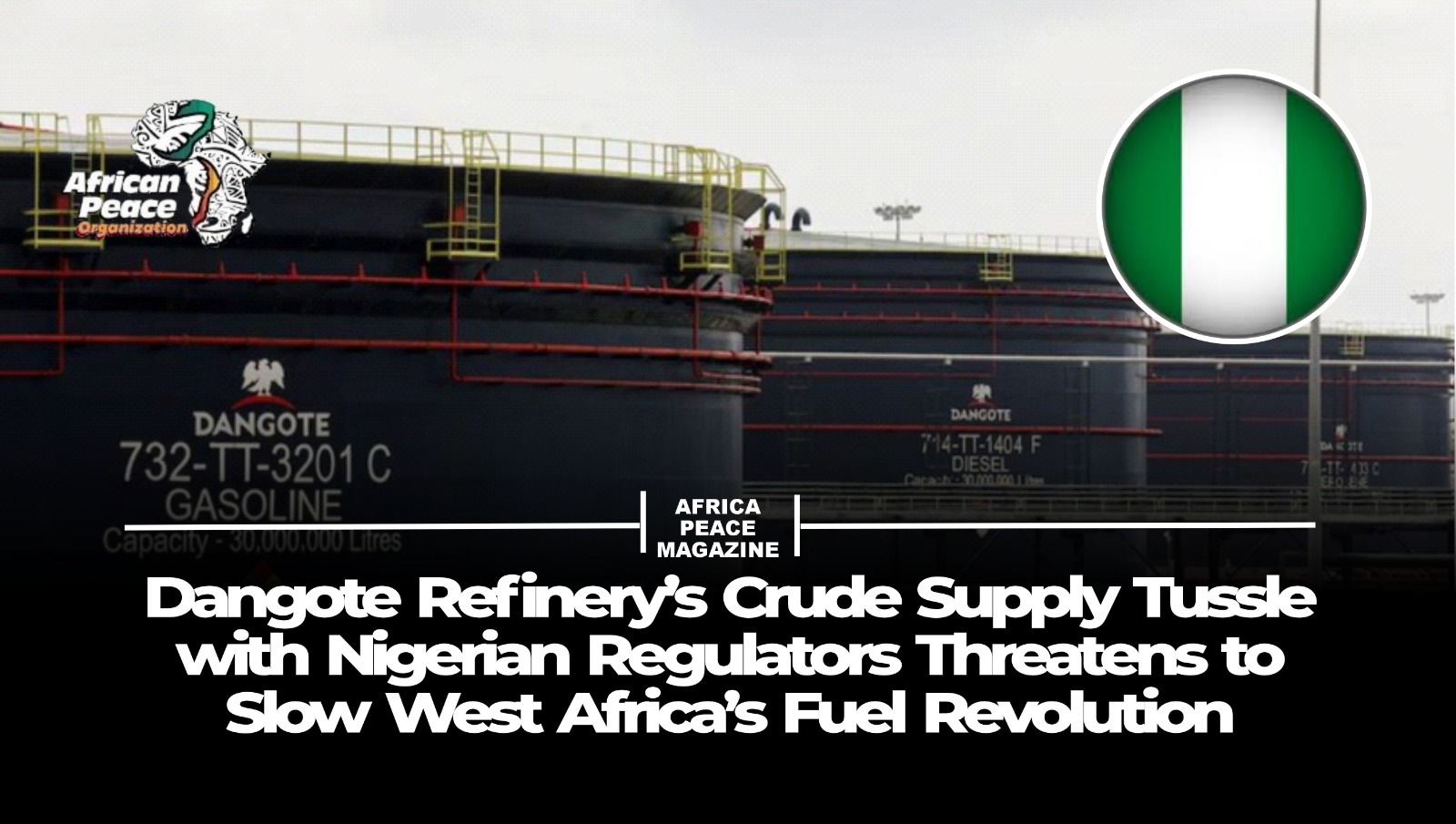
The 650,000-barrel-per-day Dangote Petroleum Refinery in Lagos has begun commercial operations for gasoline, diesel, and aviation fuel, marking a historic shift in West Africa’s downstream sector. However, the refinery’s ramp-up has been complicated by protracted disputes between the Dangote Group and the Nigerian Upstream Petroleum Regulatory Commission over the domestic crude supply obligation.
Under the Petroleum Industry Act, local producers are mandated to supply domestic refineries, yet Dangote has frequently had to source crude from international markets, including the United States, due to pricing disputes, operational bottlenecks, and pre-existing forward-sale agreements held by state-owned NNPC Limited.
The long-term implications of a fully operational Dangote Refinery are significant for Nigeria and the wider Economic Community of West African States. By processing crude domestically, Nigeria stands to save billions of dollars annually in foreign exchange previously spent importing refined products, easing pressure on the naira and challenging the decades-long dominance of European refining hubs that have historically supplied the West African market. For regional policymakers, the refinery’s progress highlights the need for transparent domestic crude allocation policies and improved pipeline infrastructure to ensure national refining assets can reliably access local feedstock without triggering legal and economic standoffs.
Source: Reuters