

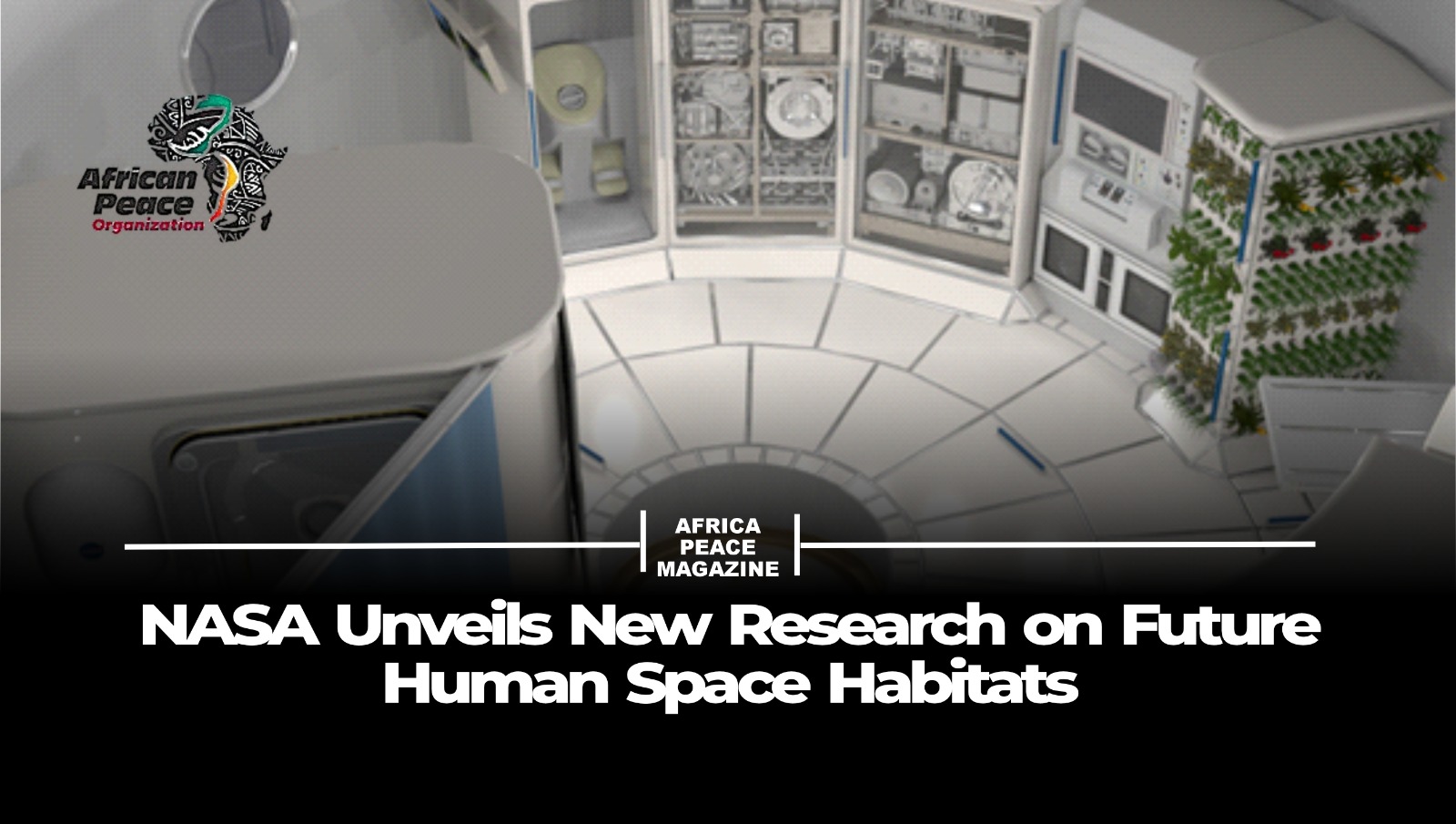
NASA has revealed new developments in its long-term plans for sustainable human life beyond Earth, attracting global attention from scientists, engineers, and space enthusiasts. Researchers are now focusing heavily on designing advanced space habitats capable of supporting astronauts during extended lunar and Martian missions. These innovations are expected to shape the future of deep-space exploration over the coming decades.
One major area of research involves self-sustaining life-support systems. Scientists are developing technologies that can recycle air, water, and waste more efficiently inside spacecraft and lunar bases. These systems are considered essential for missions where regular resupply from Earth may not be possible.
The agency is also testing advanced materials capable of protecting astronauts from extreme temperatures and radiation exposure. Engineers are experimenting with lightweight yet durable structures designed to withstand harsh extraterrestrial environments. Such advancements could significantly improve astronaut safety and mission reliability.
Another exciting aspect of the project is the integration of artificial intelligence into habitat management systems. AI-powered tools may help monitor oxygen levels, detect equipment issues, and assist astronauts with operational tasks. This technology could reduce human workload and improve mission efficiency.
Public excitement surrounding space exploration continues to grow as these discoveries inspire new generations of scientists and innovators. Educational institutions worldwide are increasingly integrating space science into learning programs, encouraging young people to pursue careers in technology and research.