

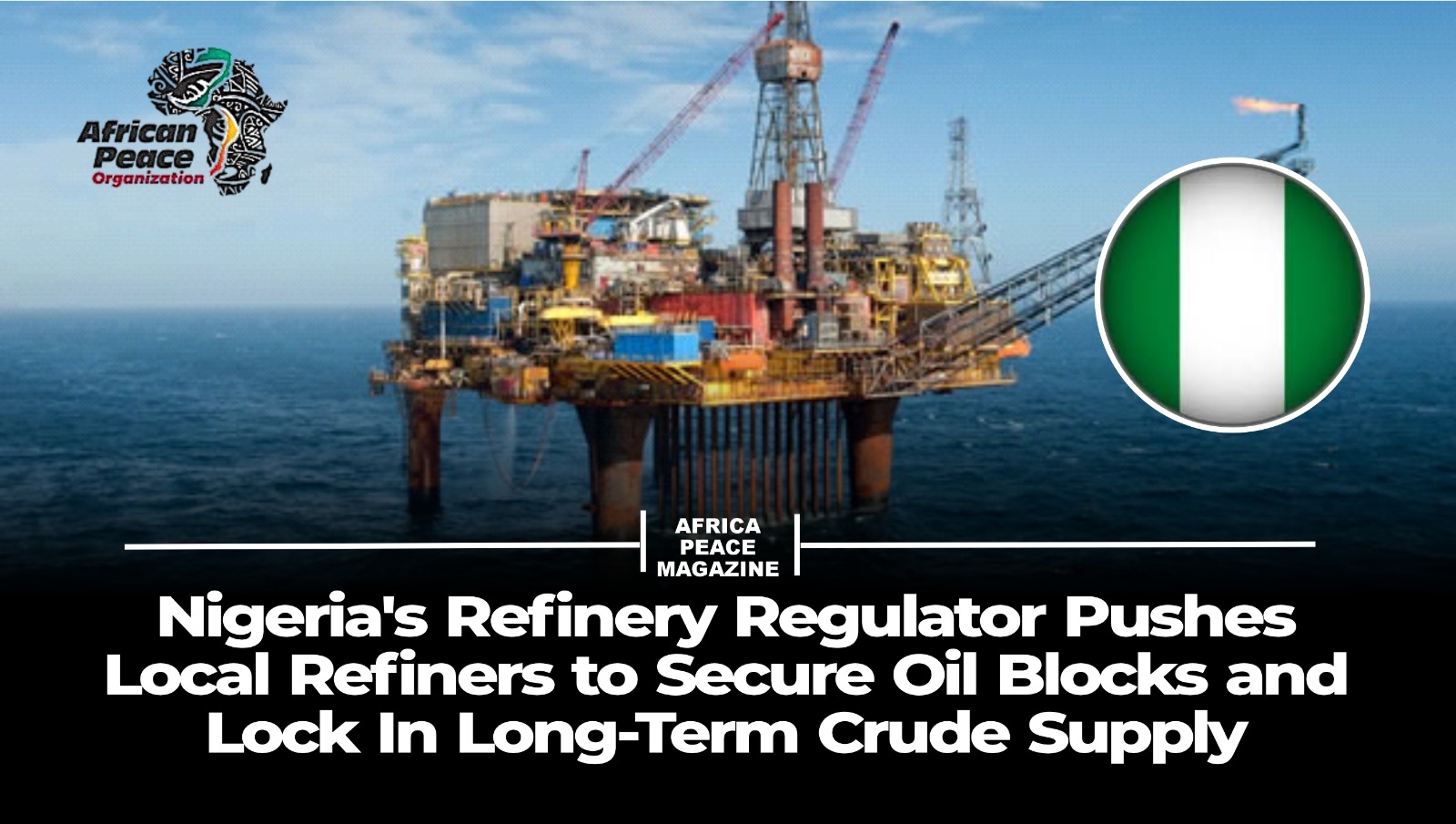
Nigeria’s upstream regulator is making a strategic push to shore up domestic refining by urging local refinery operators to participate in the country’s upcoming oil block licensing rounds — a move it says would fundamentally stabilise the crude supply chain for an industry long hampered by feedstock uncertainty.
Dr Oritsemeyiwa Eyesan, Chief Executive Officer of the Nigerian Upstream Petroleum Regulatory Commission (NUPRC), made the call during a visit by members of the Crude Oil Refinery Owners Association of Nigeria (CORAN) to the commission’s offices. She argued that upstream asset ownership by indigenous refiners would create more stable and commercially viable crude supply arrangements while deepening local participation across the entire petroleum value chain.
Dr Eyesan also advised refinery operators to complement upstream ownership with long-term crude supply contracts with producers — a practical measure she said would guarantee feedstock availability, support better operational planning, and deliver greater pricing stability.
She assured CORAN members that Nigeria possesses adequate crude resources to meet all domestic refining needs, pledging the commission’s commitment to policies that promote in-country value addition. However, she was candid about the obstacles, pointing to inadequate pipeline networks, evacuation bottlenecks, storage constraints, marine logistics gaps, and other supply chain deficiencies as challenges requiring urgent investment and coordinated action.
CORAN members, for their part, commended the commission’s ongoing regulatory reforms and its support for domestic refining, while pressing for effective implementation of frameworks that ensure consistent crude supply. Industry stakeholders have long argued that improved feedstock access is the linchpin of reducing Nigeria’s fuel import dependence, conserving foreign exchange, and expanding employment through growth in domestic refining capacity.
Source: orientalnewsng.com