

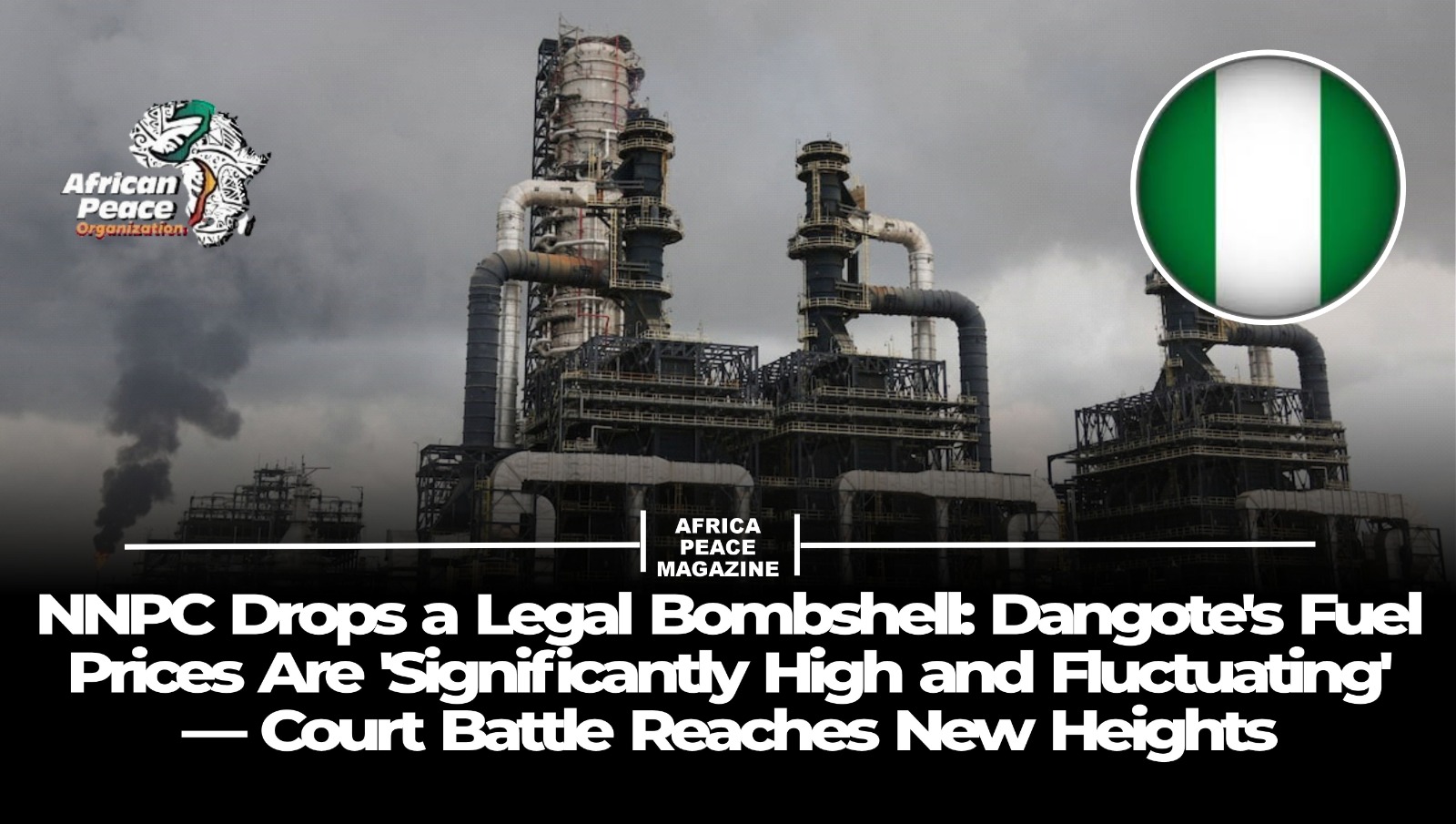
The Nigerian National Petroleum Company Limited has escalated Nigeria’s most consequential downstream energy legal dispute to a dramatic new level, filing a counter-affidavit before the Federal High Court in Lagos that accuses Dangote Petroleum Refinery of selling petroleum products at prices that are significantly high and unstable — a direct and public challenge to the refinery’s claim that domestic production is sufficient to replace all imports and that it alone should supply Nigeria’s fuel needs.
In its counter-affidavit opposing suit number FHC/L/CS/857/2026, NNPC asked the court to dismiss Dangote Refinery’s case entirely, describing it as premature, legally incompetent, and an abuse of court process. The national oil company argued that there is no independently verified evidence proving the refinery can meet Nigeria’s full domestic fuel demand without import support, and that the refinery’s production figures are selective and incomplete — failing to account for the logistical, storage, transportation, and strategic reserve dimensions of nationwide fuel supply. NNPC warned that relying on a single supplier could threaten national energy security and expose Nigeria to shortages, price instability, and supply disruptions if refinery operations were ever interrupted for technical or operational reasons.
The dispute arose from Dangote Refinery’s lawsuit challenging the Nigerian Midstream and Downstream Petroleum Regulatory Authority’s issuance of petrol import licences to marketers and to NNPC itself. The refinery argued that the licences violated existing regulations and undermined its $20 billion investment, claiming it now supplies more than 90 per cent of Nigeria’s petrol demand and that continued imports are therefore unjustified. Dangote also accused NNPC and regulators of deliberately frustrating its operations through inadequate crude oil supply allocations.
NNPC firmly denied all allegations of sabotage or deliberate crude oil supply restriction, stating that crude allocation is governed by commercial agreements, logistics capacity, production realities, and security considerations — none of which constitute interference with the refinery’s commercial operations. The company defended the continued issuance of import licences under the Petroleum Industry Act, which it argued explicitly permits regulatory authorities to approve fuel imports when necessary to ensure energy security and market stability, with no mandatory ban on importation in any scenario.
The Petroleum Products Retail Outlets Owners Association of Nigeria added its voice in support of NNPC’s position, with its president Billy Gillis-Harry arguing that Nigeria’s downstream market must remain open and competitive to protect consumers from arbitrary pricing and supply vulnerability. He acknowledged that Dangote Refinery’s investment is a commendable national achievement but maintained that a monopoly supply structure would undermine consumer protection and long-term market resilience. The case continues to be watched closely across Nigeria’s energy sector as a test of how the Petroleum Industry Act governs the balance between domestic refining ambition and the country’s broader fuel security architecture.
Source: icirnigeria.org