

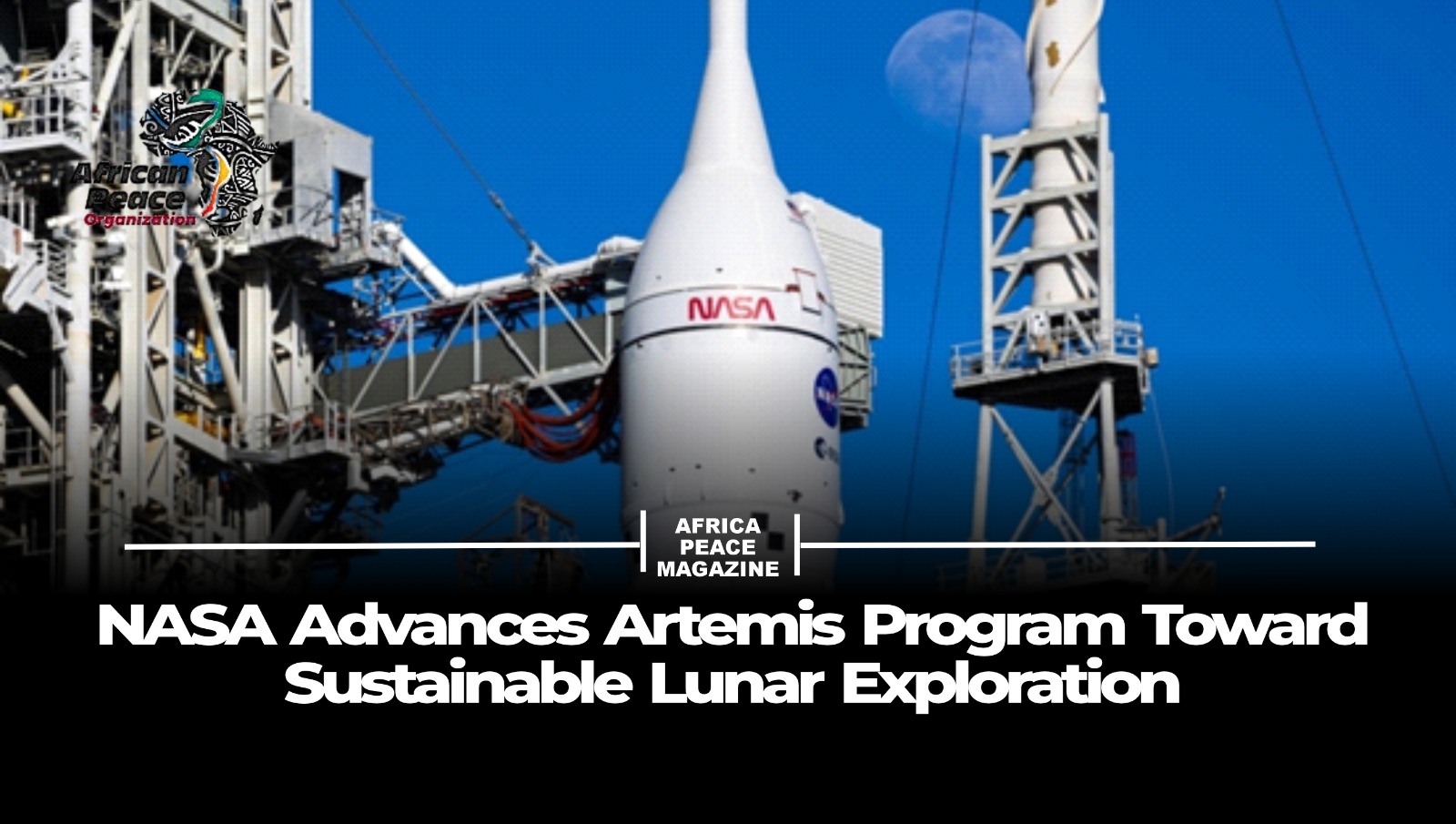
NASA’s Artemis program continues to gain global attention as it pushes forward with preparations for long-term human presence on the Moon. Following successful system tests and mission simulations, the agency is refining spacecraft systems designed to carry astronauts deeper into space than ever before. The initiative represents a new era of exploration, moving beyond short-term missions to sustainable lunar habitation.
A key focus of the program is the development of the Orion spacecraft and lunar Gateway station, which will serve as a staging point for future missions. Engineers are working to ensure that these systems can support astronauts for extended durations, including life-support sustainability and radiation protection. This progress is critical for future missions beyond the Moon.
Scientific research remains central to Artemis. The Moon is being studied as a platform for testing technologies that could eventually support missions to Mars. From studying lunar ice deposits to testing surface mobility systems, the data gathered is shaping humanity’s long-term space strategy.
International collaboration is also playing a vital role. Multiple space agencies and private partners are contributing technology and expertise, making Artemis one of the most globally inclusive space programs in history. This cooperation is accelerating innovation and reducing mission costs.
Overall, Artemis is not just about returning to the Mood it is about building a foundation for the next chapter of human exploration. With each milestone achieved, the vision of a sustained human presence beyond Earth becomes more realistic.