

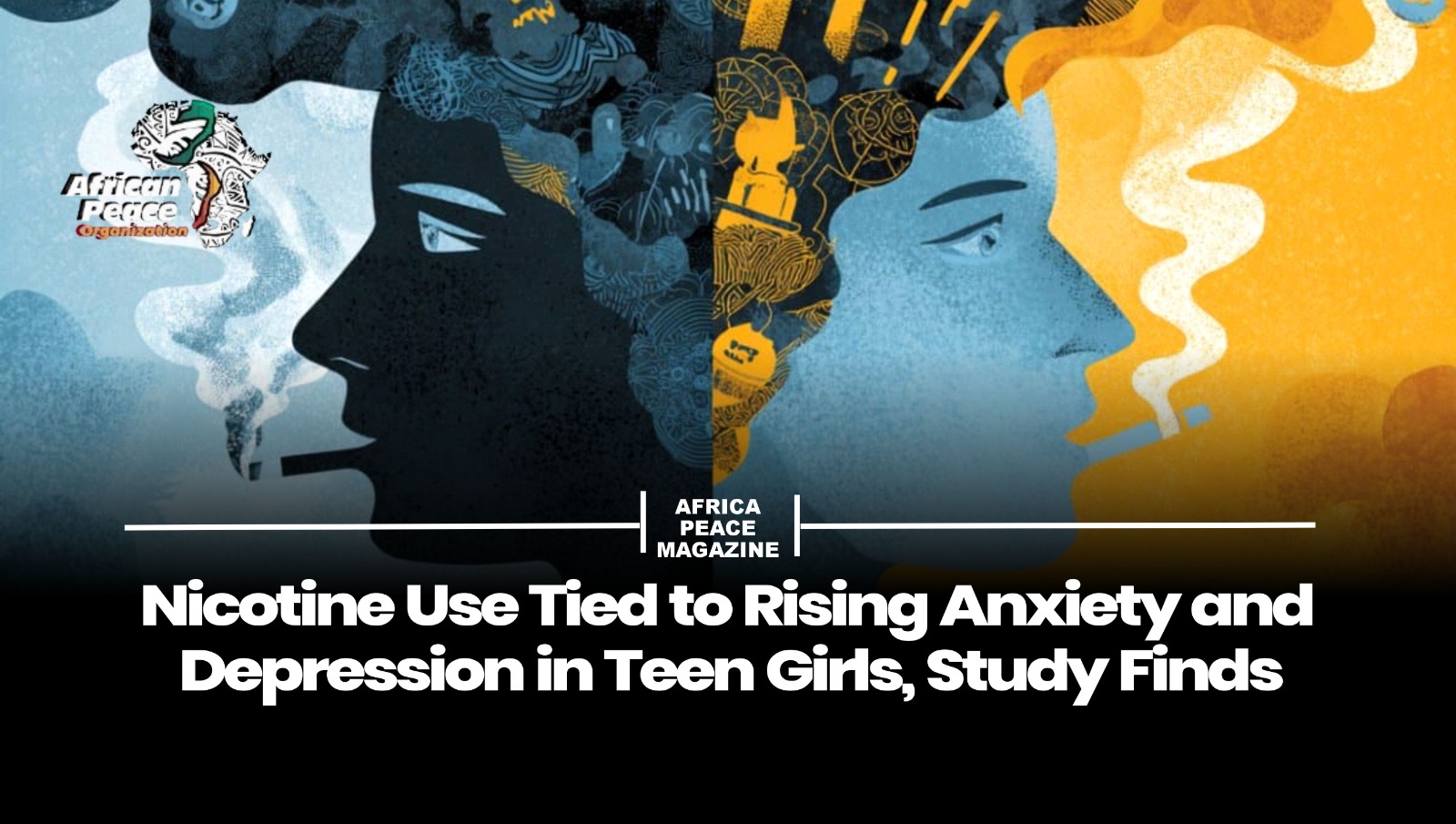
Adolescents who use nicotine are significantly more likely to report symptoms of anxiety, depression and other mental health difficulties than peers who do not use it, according to three new studies out of the University of Gothenburg examining the relationship between nicotine use and mental wellbeing among young people.
Across the three studies, girls emerged as particularly vulnerable to nicotine’s apparent effects on mental health. Compared with boys, girls who used nicotine were more likely to report symptoms of anxiety and depression, along with a broader range of other mental health difficulties, a gap researchers describe as notable and worthy of further investigation.
The reasons behind this gender difference remain unclear, though researchers point to a combination of possible factors, including biological differences in how nicotine affects developing brains, as well as social and environmental influences that may shape how boys and girls experience and respond to nicotine use differently. Untangling exactly which of these factors carries the most weight will likely require further, more targeted research.
The Gothenburg team says the findings underscore the need for targeted intervention and prevention programmes aimed specifically at helping young people, and particularly girls, avoid nicotine use altogether, as well as support services for those already struggling with related mental health symptoms. Continued research and monitoring, the researchers argue, will be essential to fully understanding the risks nicotine poses to adolescent mental health and to developing effective strategies to protect young people going forward.
Source: medicalxpress.com